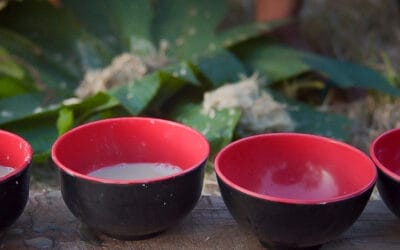


Many people encounter kava and kratom side by side at kava bars or online and wonder how these two herbal relaxants compare. At first glance, they might seem similar – both are plant-based drinks that can ease stress – but the truth is they are worlds apart in origin, effects, and safety.
In this article, we’ll explore the key differences between kava and kratom, explaining why it’s important not to confuse them and why kava is generally the safer choice for natural relaxation.
Kava vs Kratom: Origins and Cultural Use
What is Kratom?
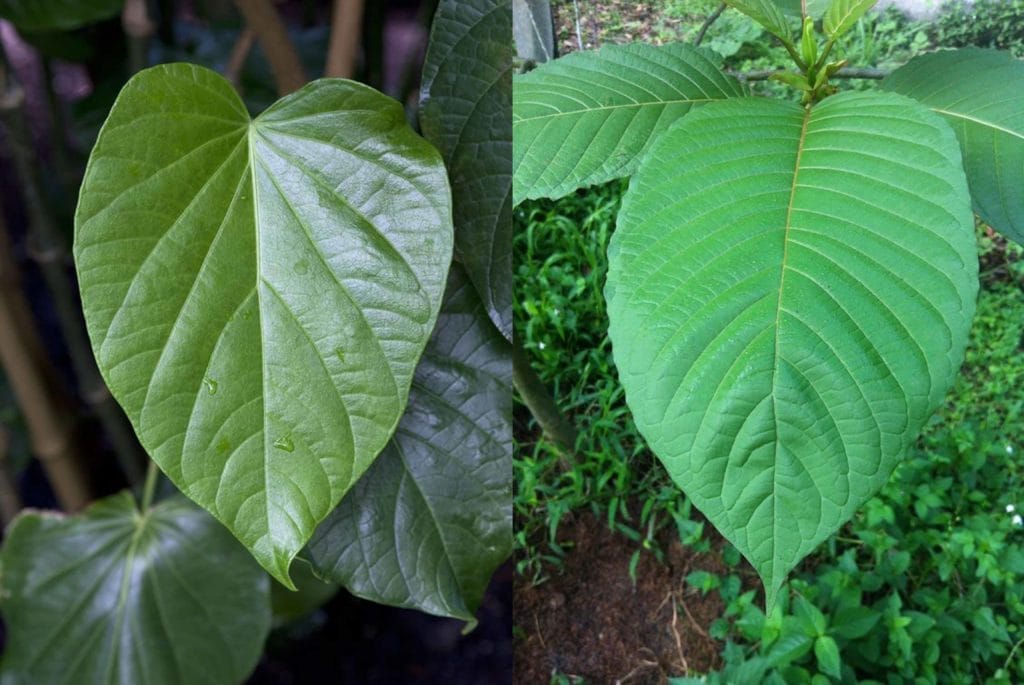
Kratom (Mitragyna speciosa) is a tropical evergreen tree in the coffee family native to Southeast Asia (Thailand, Malaysia, Indonesia, Borneo, etc.). In these regions, kratom has been used in folk medicine for centuries. Traditionally, workers chewed fresh kratom leaves to fight off fatigue, numb pain, and boost mood during long days of labor. It was essentially a stimulant and mild analgesic in village culture. Kratom leaf tea has also been used in rituals and as an opium substitute in times of scarcity (hence governments’ early fears of it undermining opium taxes). While kratom use remained local to its native areas for much of history, it has recently spread worldwide as an herbal supplement, bringing both its promises and problems onto the global stage.
What is Kava?
Kava (Piper methysticum), by contrast, hails from the South Pacific islands such as Vanuatu, Fiji, Tonga, Papua New Guinea, and Hawaii. Kava is a member of the pepper family, and Pacific Islanders have cultivated it for at least a millennium. Traditionally, kava root was pounded into a pulp and mixed with water to create a ceremonial drink. Kava’s role in Pacific cultures is highly social and spiritual. It’s consumed at important ceremonies and community gatherings to invoke relaxation, camaraderie, and a sense of goodwill. In places like Fiji and Vanuatu, evenings often conclude with a kava circle as people wind down from the day.
Kava is served in Nakamals (traditional kava bars) and home settings as a natural alternative to alcohol, providing relaxation and euphoria without inebriation. (For a detailed comparison of kava and alcoholic drinks, see our Kava vs Alcohol article.) In modern times, kava bars have popped up around the world, introducing this “drink of peace” to new audiences. (Not sure what a kava bar is like? Check out our “What is a Kava Bar?” resource to learn more.)
The key point: kava is deeply ingrained in social relaxation culture, whereas kratom historically was more of a working-class endurance booster and home remedy in its region of origin.
Preparation and Forms: Brews, Powders, and Modern Innovations
On the surface, preparing kava and kratom beverages looks similar, which partly explains why newcomers might confuse the two. In traditional form, both involve mixing plant powder into a drink. Dried kratom leaves are crushed into a fine green powder that can be stirred into water or brewed as a tea (often sweetened to mask the very bitter taste). Similarly, traditional kava preparation starts with pounding or grinding the dried kava root into powder, then kneading or steeping it in water and straining out the solids to produce a muddy, earthy-tasting “kava tea”. Kava and kratom brews even look alike: a cup of opaque brownish or greenish liquid, so it’s easy for an uninformed consumer to think they might be equivalent. In some establishments, they’ve been sold alongside each other, adding to the confusion.
Don’t be fooled by appearances. Despite the similar prep method, the experience of preparing and consuming kava vs kratom can differ greatly. Kava’s preparation is a bit more involved (because you usually strain out the gritty root fibers), but many people find the ritual enjoyable; it’s about slowing down and mindfully creating a relaxing drink.
Kratom’s preparation is simpler (no straining; the powder is often just consumed “as is”), but this also means you’re ingesting all the plant matter, which can be harsh on the stomach. Kratom tea is notoriously bitter, sometimes causing nausea on an empty stomach, whereas kava’s earthy taste, while not beloved, is manageable and often chased with a slice of fruit to mitigate the numbing peppery tingle.
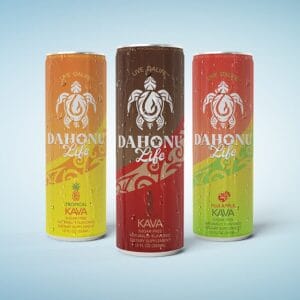
Modern product options: Kava has seen an innovation boom in recent years, giving consumers convenient new ways to enjoy it. You no longer have to pound roots or spend 20 minutes kneading a strainer bag (unless you want the full traditional experience!). For example, we offer micronized kava and instant kava. These are refined kava powders that you can simply stir into water or juice with no straining needed. You get a shell of kava ready in seconds. There are also kava extract, kava concentrates, kava seltzers, and even flavored kava gummies that pack kava’s active ingredients into a quick, tasty form (great for those who really dislike the rooty taste).
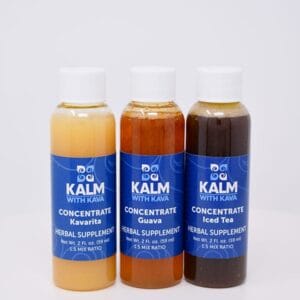
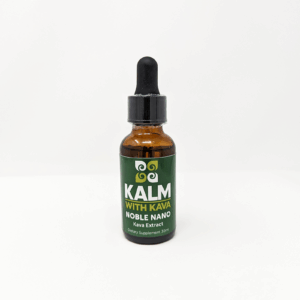
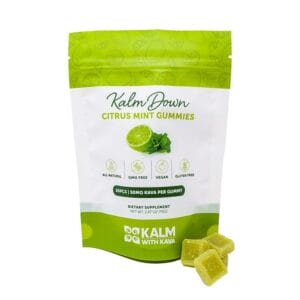
If you do want to brew medium ground kava the old-school way, tools like the KalmPouch™ (a reusable fine strainer bag) make it much easier. Just fill the pouch with kava powder and knead it in water, no messy cleanup. (For a step-by-step kava guide, see our Easy Kava Preparation tutorial, and for more tips on improving flavor, see how to make kava taste better.) Kratom, on the other hand, is commonly sold in raw powder form or capsules. Some vendors offer kratom extracts too, but the variety of consumer-friendly kratom products is more limited (partly because of legal issues). Kava’s availability in different forms means you can choose your preferred experience, be it a slow traditional session or a quick on-the-go mix. This flexibility is one reason many people find kava easier to incorporate into a healthy routine.
Kava vs Kratom: Effects and Experience
When comparing the effects of kava and kratom, both can make you feel relaxed, but how they do so (and what else they do) diverges greatly.
Kava’s Calm Clarity
Kava’s effects center on anxiolytic (anxiety-easing), muscle-relaxing, and socializing effects. After a serving of kava, users commonly report mental calm and soothed stress, loosening of social anxiety (without loss of mental sharpness), a positive uplifted mood, and sometimes gentle euphoria or “buzz” that can include tingling sensations and enhanced sociability. Kava basically takes the edge off your worries and can even act as a natural sleep aid in higher amounts (particularly heavier strains).
Importantly, kava does not impair cognitive function the way alcohol or sedatives do; you remain clear-headed and in control, just with a serene mindset. In fact, one reason kava is so popular as an alcohol alternative is that you can enjoy a pleasant “calm but clear” state and still drive home or wake up without a hangover. Scientific studies have validated many of these effects: kava has been shown to significantly reduce symptoms of anxiety (some research found kava extract as effective as low-dose benzodiazepine medications) and improve sleep quality. Notably, unlike benzos or opioids, kava is not addictive and has a lower risk of side effects according to clinical studies. It’s a key point of distinction that you can use kava for stress support regularly without the worry of developing a dependency.
Kava does have a few mild side effects to be aware of: it can cause a temporary numbing sensation on the tongue and lips (a hallmark of its active kavalactones. This is a sign the kava is “good” and potent!), and if you drink a lot of strong kava quickly, you might feel a bit drowsy or clumsy on your feet (kava’s muscle-relaxing properties in action). However, there is no risk of overdose in the lethal sense. Pacific Islanders have consumed kava for centuries without serious incident. The worst that happens with excess kava is you might get an upset stomach or an unpleasant lethargic feeling (sometimes called “kava hangover” if you really overdo it), and long-term heavy use can cause temporary dry, flaky skin (a harmless condition called “kanikani” that reverses when you take a break). Overall, kava’s safety profile is well-established, especially when compared to something like kratom.
Kratom’s Opioid-Like Impacts
Kratom’s effects are more complicated because they change with dosage, and they carry more baggage in terms of side effects. At low doses (1–5 grams), kratom primarily acts as a stimulant. Users report increased alertness, energy, and chattiness, similar to caffeine but with a distinct sensation. It can also cause jitteriness, restlessness, or edginess in this phase (some describe it as feeling “wired” or overly chatty). At higher doses (5+ grams), kratom flips to sedative effects: pain relief, a mellowing of the mind, and in many cases a strong euphoria and even dreamlike trance or drowsiness. Essentially, high-dose kratom can mimic opioids, providing an analgesic, calming high that might attract someone who otherwise might use prescription painkillers or narcotics. This dual nature (stimulating then sedating) is unique, but it also means dosing is tricky: a little too much and instead of a pleasant buzz you might be nodding off or nauseous.
Crucially, kratom’s opioid-like effects come with opioid-like risks. The active alkaloids in kratom (mitragynine and 7-hydroxymitragynine) bind to the brain’s μ-opioid receptors, which is the same system that drugs like morphine, oxycodone, and heroin act upon. While kratom is not a true opiate, it is an opioid agonist, and regular use can lead to dependence. Users who take kratom daily for a period can develop tolerance (needing larger doses to get the same effect) and experience withdrawal symptoms if they stop. Symptoms can include irritability, insomnia, muscle aches, sweating, nausea, and cravings, very much paralleling opioid withdrawal (though typically milder than, say, heroin withdrawal). The risk of addiction with kratom is real; surveys and case reports indicate that a subset of users end up unable to quit easily, sometimes escalating their intake. As mentioned earlier, there have been cases where individuals who were in recovery from opioid addiction turned to kratom, thinking it was a “safe” substitute, only to become addicted to kratom and even relapse into using harder drugs.
In terms of side effects, kratom’s stimulant phase can cause loss of appetite, increased heart rate, elevated blood pressure, and agitation. Its sedative phase can cause constipation, dry mouth, sweating, and itchiness—again, reminiscent of opioid side effects. High doses of kratom, especially potent extracts, have been associated with more severe effects like respiratory depression, seizures, or liver toxicity in rare cases, particularly when combined with other substances. It’s worth noting that many reported kratom-related hospital visits or deaths involved adulterated products or mixing kratom with pharmaceuticals or alcohol, rather than pure kratom alone; nevertheless, it underscores that kratom is far from risk-free.
Overall, Pick Kava Calm over Kratom Concerns
Kava can gently relax you, soothe anxiety while keeping you sociable and clear-minded, and it won’t make you dependent on it. Kratom might boost your energy or deeply relax you (depending on dose), but it comes with a cost: the potential for dependency and a host of side effects, especially with frequent use.
For those seeking natural stress relief or a social beverage to unwind, kava provides calm without worry. Kratom might have its place for certain individuals, but for the average person looking to take the edge off or chill out, the risks of kratom generally outweigh the benefits, especially when an option like kava exists.
Kava vs Kratom: Legal & Safety Differences
The legal trajectories of kava and kratom have been very different, reflecting their risk profiles.
In the United States, kava is fully legal and regarded as a dietary supplement (the FDA does not restrict kava, and you can buy kava in stores or online nationwide). By contrast, kratom’s legal status is patchwork.
Kratom’s Wobbly Legal & Safety History
Federally, kratom is not scheduled (after an attempt to ban it in 2016 was withdrawn following public outcry), but the FDA and DEA continue to monitor it closely and have warned consumers about its risks. The FDA has banned the import of kratom as of 2014 (meaning any kratom on the market is technically not an approved product). On the state level, at least seven states have made kratom illegal to buy or possess, including Indiana, Alabama, Arkansas, Wisconsin, Vermont, Rhode Island, and Tennessee. More states have pending legislation as of 2025. Some other states and counties have set age limits (often 21+) or quality regulations via a “Kratom Consumer Protection Act” to try to make kratom use safer. This fragmented legality means that someone purchasing kratom needs to be aware of their local laws to avoid legal trouble.
Kava’s History of Safety
Kava’s legal story had a hiccup in the early 2000s but has since been largely positive. Around 2002, reports of a few cases of liver damage in kava users (in Europe) led some countries to preemptively ban kava products. However, extensive investigations later found that those liver issues were likely due to improper processing (e.g., using stems or leaves or solvent extractions) or other health factors, not kava root used traditionally. As evidence mounted that kava is safe when prepared from pure noble kava root, bans were overturned.
Germany’s court famously overturned its 15-year kava ban in 2014, calling it “inappropriate and unfounded”. Kava is now legal throughout Europe, North America, and Oceania. In its indigenous Pacific region, of course, it was never banned; it’s a part of life. The World Health Organization reviewed kava’s safety and did not recommend restricting it, given the low incidence of problems relative to its long history of use. Today, kava is widely available in supplement shops, online retailers, kava bars, and even some supermarkets as teas or capsules. It’s categorized as an herbal supplement or food product.
You should still purchase kava from reputable sources (to ensure you’re getting true noble kava), but legally speaking, kava faces nowhere near the scrutiny that kratom does. In fact, kava is gaining popularity year over year as more people seek natural alternatives to alcohol and pharmaceuticals for relaxation. Many universities have been delving into the research on kava finding it to be as effective in treating anxiety as benxodiazepine drugs, and even the possibility of fighting cancer cells.
Kava or Kratom–Which Should You Choose?
When it comes down to kava vs. kratom for natural relaxation, the evidence is clear. While both plants have their uses, kratom’s opioid-like effects and addiction potential make it a dicey choice for casual relaxation. Kava, on the other hand, offers a gentle path to ease your mind and uplift your mood without the extra risks. It’s non-addictive and backed by centuries of traditional use as well as modern research into its benefits. Kratom might deliver a strong effect, but with that comes uncertainty and caution. Kava delivers an experience that integrates well into a healthy lifestyle.
Ready to Experience Kava’s Calm?
If you’re ready to give kava a try, we’re here to help you get started. Kalm with Kava offers a variety of premium noble kava products to suit beginners and experienced users alike.
Not sure which kava to pick? Check out our Kava Variety Selection Tool or our guide on choosing the best kava for you. Different strains have different effects (heady vs heavy), and we’ll help you find your perfect match. For your first time, you might consider a sample pack, which lets you try a few varieties and discover which flavor and effect profile you enjoy most. You can buy kava online directly from our website and have it shipped to your door. We take pride in sourcing only tested, quality noble kava (no inferior strains), so you can feel confident in what you’re drinking.